









Fermented Honey and Gut Health: What the Evidence Shows
Last Updated: November 26, 2026
Quick Summary
Fermented honey is raw honey left to ferment, usually with botanicals added, so wild yeasts and lactic acid bacteria become active. Evidence for its gut benefits is thin, because few human trials have tested fermented honey directly, though honey in general contains prebiotic-like sugars studied mainly in laboratory and animal work.
- Most gut-health research covers honey in general, not fermented honey specifically.
- Honey's oligosaccharides may act as prebiotics, but evidence comes mainly from in vitro and small animal studies.
- Fermentation is not standardised, so live culture levels can differ between products.
- There is no established therapeutic dose of fermented honey for gut microbiome health.
- Honey must not be given to infants under 12 months because of botulism risk.
Table of Contents
- Do Fermented Honey Benefits for Gut Microbiome Health Hold Up?
- How Fermented Honey Is Made and How It Differs From Raw Honey
- What Happens to Honey in Yoghurt and Probiotic Survival, Plus Safety Limits
- Frequently Asked Questions
Do Fermented Honey Benefits for Gut Microbiome Health Hold Up?
Fermented honey is raw honey left to ferment, usually with added botanicals, so naturally occurring yeasts and lactic acid bacteria become active. Evidence for raw honey's gut-health benefits is considerably stronger than for fermented honey, since most research covers honey in general.
What the evidence on honey generally shows
Honey contains non-digestible carbohydrates, often called oligosaccharides, that can act as prebiotics. Laboratory and in vitro gut model research on honey carbohydrates suggest certain honey sugars can selectively support beneficial bacteria such as Bifidobacterium and Lactobacillus species, and honey shows antibacterial activity against strains including Staphylococcus aureus and Clostridium perfringens. These findings come largely from in vitro and small animal studies, so they describe possibilities rather than proven outcomes inside the human gut; the few human studies are small and short.
What the evidence on fermented honey specifically shows
Evidence for fermented honey itself is much thinner: few human clinical trials have tested it directly. To see how it compares with other well-supported probiotic foods, read the Evidence-Based Gut Health Probiotic Food Sources article. Fermentation introduces live yeasts and lactic acid bacteria that may alter the sugar profile and produce organic acids, but whether this yields measurable microbiome benefits in people is not established.
How to read the evidence
Check the study type: in vitro studies cannot show effects in a living person, animal studies suggest mechanisms but do not prove human benefit, and randomised controlled trials are rare. Treat fermented honey as a food with potential prebiotic properties, not a proven therapeutic, and consult a clinician if you have digestive conditions or a honey allergy.
How Fermented Honey Is Made and How It Differs From Raw Honey
Fermented honey is generally made by diluting raw honey with water, adding botanicals, and letting wild yeasts and bacteria ferment the mixture, though methods vary. You can browse Pachamama Regen honey packs and gut tonics to compare current options and open detailed product information. Raw honey is simply unheated, unprocessed honey straight from the comb; fermentation changes its sugar profile and microbial content, though the extent varies between batches and producers.
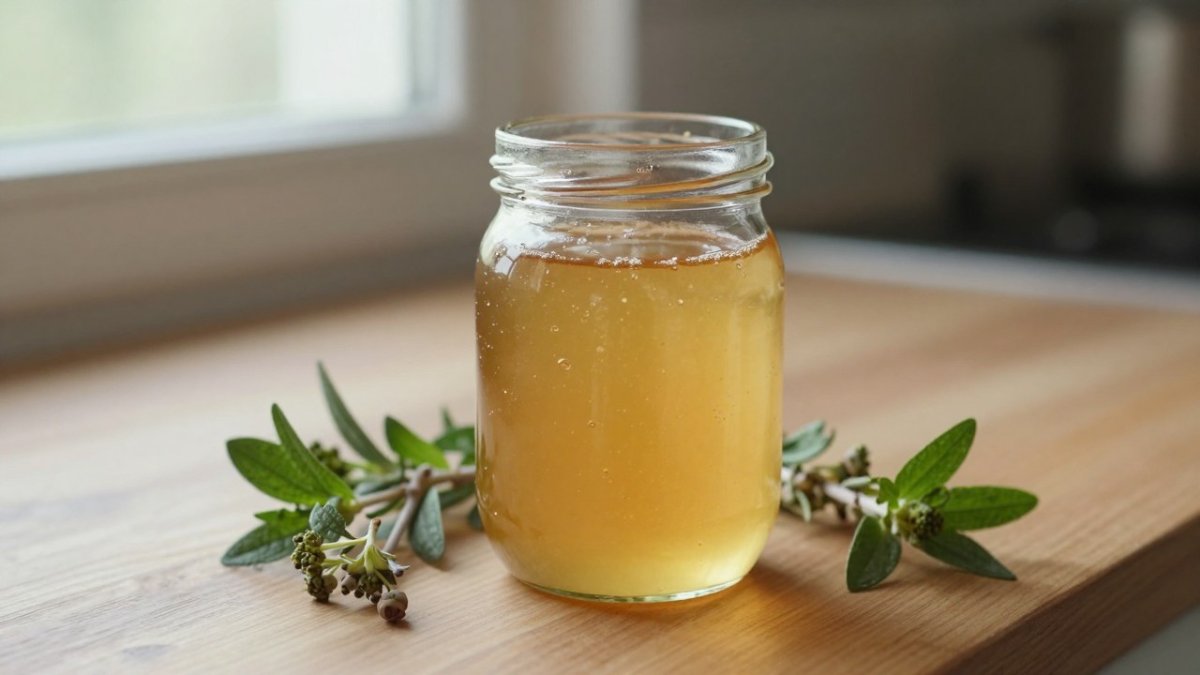
Honey varieties differ in bioactive compounds such as polyphenols and flavonoids, which affects how any given honey behaves. Because fermentation is not standardised, two jars labelled "fermented honey" can contain quite different levels of live cultures, so check whether a product states its fermentation method and has been tested for microbial content.
The two products differ in how they are made and what they contain, as summarised below.
| Aspect | Raw honey | Fermented honey |
|---|---|---|
| Preparation | Unheated, unprocessed, straight from the comb | Diluted with water, botanicals added, left to ferment |
| Microbial content | Naturally occurring, not actively fermenting | Wild yeasts and lactic acid bacteria become active |
| Sugar profile | Largely unchanged | Altered by fermentation, varies by batch |
| Standardisation | Varies by variety and source | Not standardised; methods differ between producers |
| Buying tip | Check the variety and source | Check for stated method and microbial testing |
What Happens to Honey in Yoghurt and Probiotic Survival, Plus Safety Limits
Adding honey to yoghurt is common, but honey does not reliably increase probiotic survival. For live cultures, choose a yoghurt that states its culture content and add honey just before eating.
Dose and frequency: what is realistic
There is no established therapeutic dose of fermented honey for gut microbiome health. There is no established dosage for fermented honey; it is best treated as a food rather than a supplement, and intake should be kept modest. Larger amounts add sugar without proven extra benefit, and anyone managing blood glucose should account for the sugar content and discuss it with their healthcare team.
Safety limits and who should avoid it
Honey is high in sugar, so large daily amounts are not sensible, particularly for those managing blood glucose. Honey must not be given to infants under 12 months because of the risk of botulism, and people with pollen or bee-product allergies should avoid it. Home fermentation carries food-safety risks if the sugar-to-water ratio, acidity, or temperature is not controlled, so buy from producers who test and label clearly, store as directed, and discard any jar with an off smell, mould, or unusual texture.
Frequently Asked Questions
Is fermented honey a prebiotic?
Honey contains non-digestible carbohydrates and oligosaccharides that some laboratory and gut-model studies show can favour beneficial bacteria. Research on honey as a prebiotic is mostly in vitro or ex vivo, and human clinical evidence for fermented honey specifically is limited. Treat the prebiotic effect as plausible rather than proven, and expect any benefit to depend on the honey variety, the amount eaten and the person's existing gut microbiota.
How much fermented honey should you eat?
No standard dose for fermented honey has been established in human research. Honey is still a sugar-rich food, so keep intake modest, especially if you manage blood sugar. Start with a small amount to see how your digestion responds, and check with a healthcare professional if you have diabetes, a digestive condition or are pregnant.
Is fermented honey safe for everyone?
It is not suitable for infants under 12 months because of the risk of infant botulism from honey. People with diabetes, those managing sugar intake, and anyone with a known honey or bee-product allergy should take care. Because fermentation practices vary, look for products from providers that disclose their process and food-safety controls.