





Evidence-Based Gut Health Probiotic Food Sources
Last Updated: November 21, 2026
Quick Summary
Plain yogurt and kefir with live and active cultures are the probiotic food sources with the most consistent evidence, followed by refrigerated, unpasteurised sauerkraut and kimchi. Pasteurised or heat-treated fermented foods usually contain no live cultures, so check labels before buying.
- Look for the phrase "live and active cultures" on yogurt and kefir labels.
- Shelf-stable and pasteurised products usually contain no live cultures at the point of sale.
- Pair a live-culture food with a prebiotic food like berries or oats in the same meal.
- Start with a small portion, since no universal serving size has been established.
- Anyone with a weakened immune system should speak with a doctor before increasing probiotic intake.
Table of Contents
- What Probiotics Are and How They Relate to Gut Health
- Probiotic Foods: Which Sources Are Actually Live
- Foods with Live Cultures: Why Not All Fermented Foods Qualify
- Non-Dairy and Fermented Drink Options: Tempeh, Miso, Natto and Kombucha
- Prebiotic Vegetables and Fibre-Rich Foods That Feed Your Gut Bacteria
- Probiotic Foods and Prebiotic Foods: Building a Gut-Supportive Eating Pattern
- Evidence Grading: How Strong the Research Is for Each Food and Outcome
- How Processing, Storage and Cooking Affect Live Cultures
- Serving Sizes, Safety and When to Speak With a Doctor
- Adding Probiotic Food Sources to Your Daily Diet, Step by Step
- Frequently Asked Questions
What Probiotics Are and How They Relate to Gut Health
Probiotics are live microorganisms that, when taken in adequate amounts, may confer a health benefit on the host. This guide looks at which everyday foods actually deliver these organisms, and where the evidence for a benefit is strong versus thin. That gap is what it is built around.
The gut microbiome is the community of bacteria, yeasts and other microbes living in your digestive tract. Its composition varies widely between people and shifts with diet, illness and medication. Research into how food shapes that community is active, but most of it is early, so claims should be read with care.
Probiotics, prebiotics and synbiotics explained
Probiotics are the live organisms. Prebiotics are the fibres and compounds that feed beneficial bacteria already in the gut, found mainly in plant foods such as onions, garlic, leeks, asparagus, legumes and some fruit. Synbiotics combine both, a probiotic with a prebiotic it can use. Many fermented foods contain probiotics, while many vegetables and whole grains supply prebiotics, so a varied diet usually covers both.
Probiotic Foods: Which Sources Are Actually Live
Not every product labelled "fermented" still contains living cultures. Pasteurisation, which heats food to kill microbes, is the main reason. Check labels for phrases such as "live cultures" or "contains active cultures", and treat "fermented" alone as insufficient. If you would rather not source fermented foods yourself, you can browse ready-made gut-health products as a convenient alternative.
Yogurt and kefir: checking for live and active cultures
Plain yogurt and kefir are among the most widely studied probiotic food sources. Look for "live and active cultures" on the label, and prefer plain versions, since many flavoured yogurts carry substantial added sugar. Kefir typically contains a broader mix of yeasts and bacteria than yogurt.
Fermented vegetables: sauerkraut, kimchi and pickles
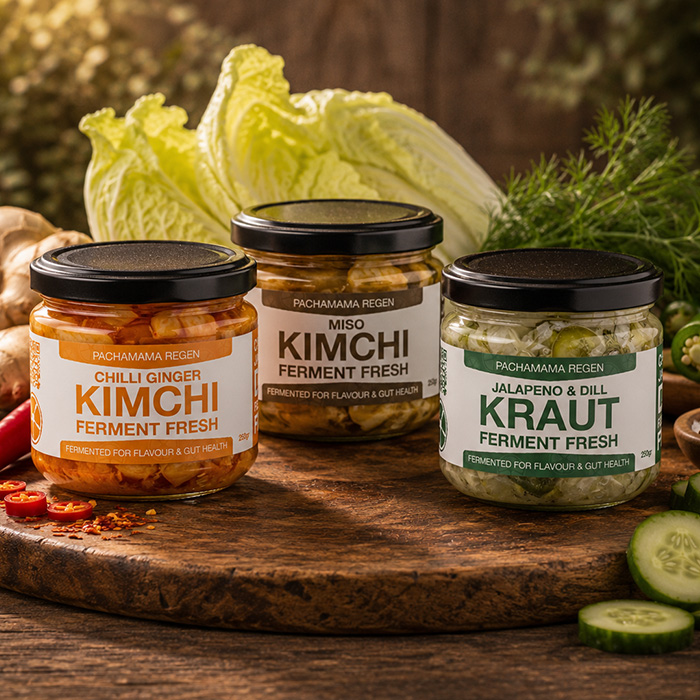
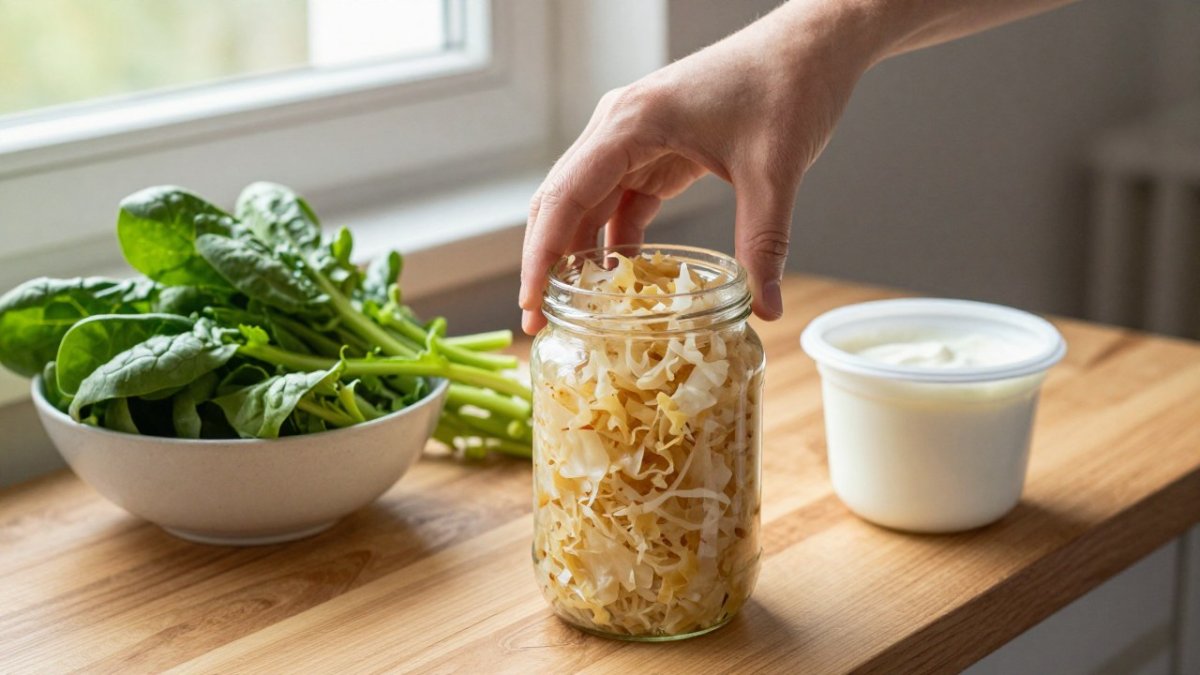
Unpasteurised sauerkraut and kimchi are good candidates because they are fermented in brine rather than heat-treated. Shelf-stable vinegar pickles are not fermented in the same way and usually contain no live cultures. Refrigerated, unpasteurised versions are the ones to look for.
Foods with Live Cultures: Why Not All Fermented Foods Qualify
Fermentation is a process, and the end product may or may not contain living microbes. Bread, beer, wine and vinegar are fermented, but baking, filtering or pasteurising typically removes or kills the organisms. Being fermented is therefore a starting point, not proof of a probiotic effect.
Non-Dairy and Fermented Drink Options: Tempeh, Miso, Natto and Kombucha
Tempeh and natto are fermented soy products, and miso is a fermented soybean paste. Tempeh and natto are often eaten cooked, which can reduce live cultures, while miso is frequently added to dishes after heating for the same reason. Kombucha is a fermented tea that can contain live organisms, but its sugar and acid content varies widely between brands and batches.
Prebiotic Vegetables and Fibre-Rich Foods That Feed Your Gut Bacteria
Prebiotic fibre gives beneficial bacteria something to ferment. Onions, garlic, leeks, asparagus, legumes, berries and apples are commonly cited sources. Increasing fibre gradually helps reduce bloating while the gut adjusts.
Probiotic Foods and Prebiotic Foods: Building a Gut-Supportive Eating Pattern
The most practical approach pairs a live-culture food with a prebiotic food in the same meal, such as plain yogurt with berries and a little oats. Varied plant intake over the week matters more than any single item.
Evidence Grading: How Strong the Research Is for Each Food and Outcome
Many guides list fermented foods and imply they all support gut health equally. They do not. Evidence strength varies by the specific food, the specific microbial strain it contains, and the specific health outcome being measured. This section grades the evidence so you can tell established findings from preliminary ones.
Why strain and outcome matter more than the food category
A health effect demonstrated for one defined strain in a controlled trial cannot automatically be attributed to a different strain, a different food, or a homemade ferment whose microbial content is unknown. Regulators and researchers generally require the strain to be characterised, alive in adequate numbers at the point of consumption, and tested against a defined outcome before a probiotic claim is supported. That is why "contains live cultures" on a label is a starting point, not proof of a specific benefit.
A practical evidence tiering by food
Use these tiers as a rough guide, not a ranking of which food is "best".
- Stronger and more consistent evidence: Plain yogurt and kefir containing defined live strains, particularly for certain digestive outcomes such as antibiotic-associated diarrhoea and lactose digestion. These are the fermented foods most often studied in controlled trials, which is why the evidence base is comparatively mature.
- Moderate but narrower evidence: Specific probiotic strains delivered in capsule or defined food formats for particular outcomes. The evidence tends to be strain-specific and outcome-specific rather than a general "gut health" effect.
- Preliminary or mixed evidence: Sauerkraut, kimchi, tempeh, miso, natto and kombucha. These are reasonable foods to include in a varied diet, but the human trial evidence linking them to specific health outcomes is thinner, more inconsistent, or based on small studies. Traditional use and laboratory findings are not the same as demonstrated clinical benefit.
- Not evidence of a probiotic effect: Foods that are fermented but heat-treated, filtered or pasteurised before sale. They may still be nutritious, but the live organisms that would support a probiotic claim are typically absent.
How to read the evidence yourself
Look for three things: whether the strain is named, whether the amount consumed is stated, and whether the outcome measured is the one you care about. A study showing a strain reduced a specific symptom in a specific group does not establish that any fermented food will do the same for you. Where research does not establish a universal dose or a general benefit, treat claims accordingly.
Watch out: marketing language such as "supports gut health" or "probiotic" on a label is not the same as a strain-specific, outcome-specific evidence claim, so check the fine print rather than the front of the pack.
How Processing, Storage and Cooking Affect Live Cultures
Live cultures are fragile, and the way a food is processed, stored and cooked often determines whether any viable microbes reach your plate. This is the single biggest reason two products that both say "fermented" can behave very differently.
Processing: what kills the cultures
- Pasteurisation and heat treatment heat the food enough to destroy most bacteria and yeasts. Many shelf-stable sauerkrauts, pickles and kombuchas are pasteurised for stability and safety, which means they are fermented in origin but no longer contain live cultures at the point of sale.
- Filtration is used in some kombuchas and other drinks to remove yeast and sediment, and can reduce or remove live organisms.
- Baking and prolonged cooking destroy most live cultures. Tempeh and natto are often cooked before eating, and miso is frequently stirred into hot dishes, so the live-culture benefit is reduced or lost in those preparations even though the food remains nutritious.
- Vinegar pickling is not the same as brine fermentation. Shelf-stable vinegar pickles are typically not fermented and usually contain no live cultures.
Storage: cold, sealed and within date
Refrigeration slows microbial activity but does not reverse heat damage already done. Store live-culture foods cold, keep them sealed, and eat them within the date on the label. A common pattern is that products sold from the refrigerated section are more likely to retain live cultures than shelf-stable equivalents, though the label remains the deciding evidence.
Label clues that separate live from merely fermented
Look for phrases such as "live and active cultures", "contains active cultures" or "unpasteurised", and check whether the product is sold refrigerated. Treat "fermented" on its own as insufficient. For yogurt, "live and active cultures" is the phrase to look for; for sauerkraut and kimchi, refrigerated, unpasteurised products are the ones most likely to retain live microbes.
Cooking trade-offs
If you want the live cultures, add them after heat rather than before: stir miso into a dish once it has cooled slightly, and use tempeh in preparations that do not overcook it. If you cook a live-culture food thoroughly, treat it as a nutritious fermented food rather than a probiotic source.
Watch out: a product can be genuinely fermented and still contain no live cultures, so do not assume a "fermented" label delivers viable microbes, check for a live-culture claim and refrigeration together.
Serving Sizes, Safety and When to Speak With a Doctor
There is no established universal serving size for probiotic foods, so start with a small portion and build up. People with weakened immune systems, central lines, severe illness or recent surgery should speak with a doctor before increasing probiotic intake. Anyone with ongoing digestive symptoms should seek medical advice rather than self-treating with food.
The article's key practical points on starting size and safety are summarised below.
| Who or when | Guidance | Note |
|---|---|---|
| General users | Start with a small portion | No established universal serving size |
| Weakened immune system | Speak with a doctor first | Before increasing probiotic intake |
| Central lines or recent surgery | Speak with a doctor first | Before increasing probiotic intake |
| Ongoing digestive symptoms | Seek medical advice | Do not self-treat with food |
Adding Probiotic Food Sources to Your Daily Diet, Step by Step
- Choose one live-culture food, such as plain yogurt or kefir, and eat it at breakfast.
- Add a prebiotic food to the same meal, such as berries or oats.
- Include one fermented vegetable, such as refrigerated sauerkraut, a few times a week.
- Introduce legumes and vegetables gradually to avoid discomfort.
- Review labels each time you buy, checking for live cultures and the best-before date.
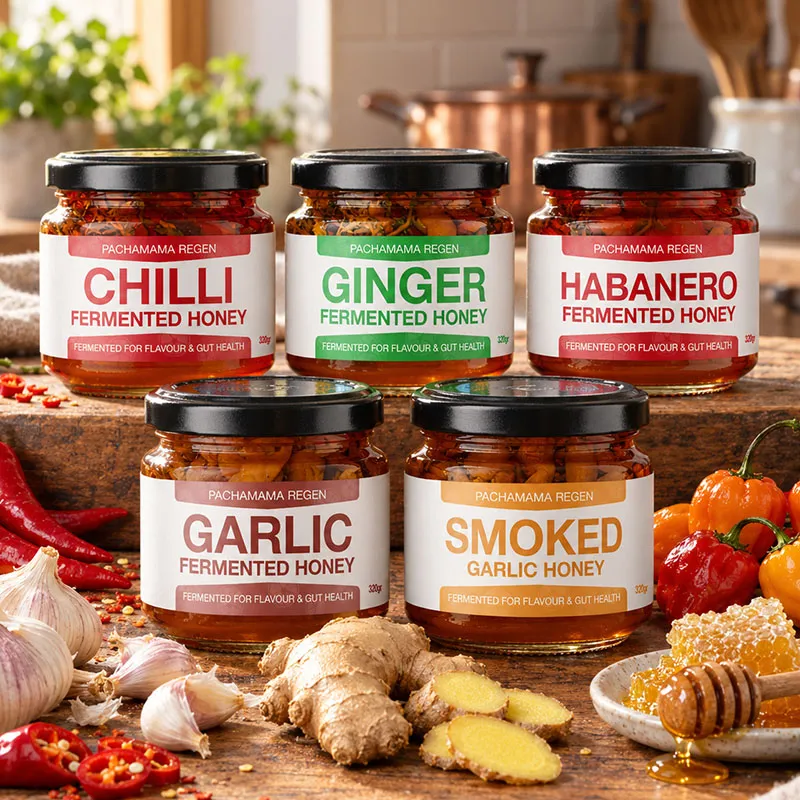
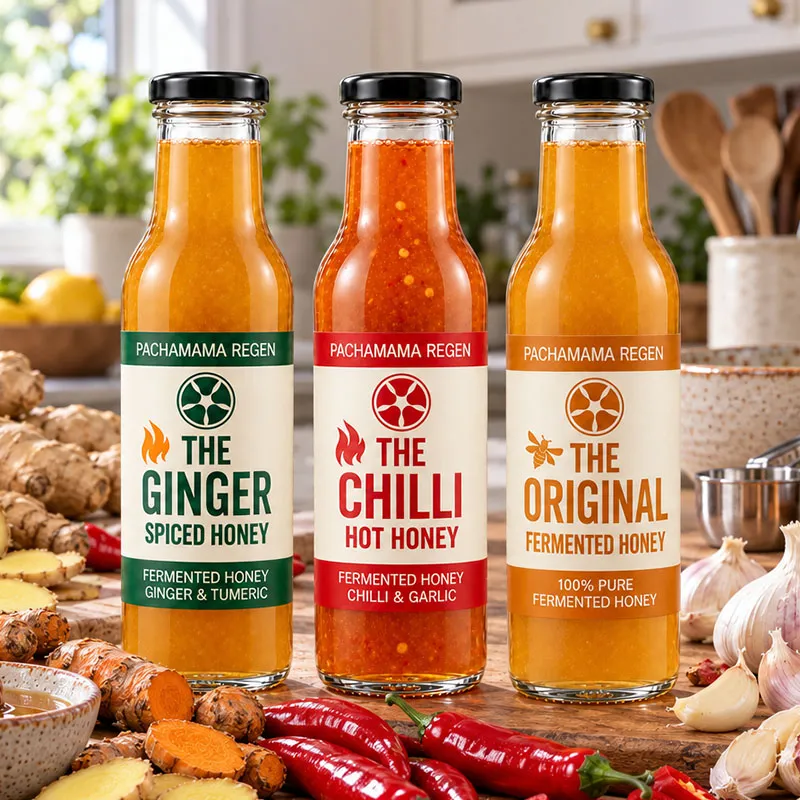
Ready to make gut-supportive eating easier? Browse the Pachamama Regen range and find a product that fits your routine.
Frequently Asked Questions
Which foods are natural sources of probiotics?
The most studied natural sources include yogurt and kefir labelled with live or active cultures, unpasteurised fermented vegetables such as sauerkraut and kimchi, miso, tempeh and natto. Check labels for phrases like live cultures, and note that pasteurised products are often heated after fermentation, which can kill the microbes. Evidence is strongest for certain strains in certain foods, so no single food suits every health goal.
Do fermented foods improve gut health?
Some do, but the research is uneven. Fermented foods with live cultures can modestly change gut microbial composition in some studies, yet results vary by strain, dose and person. Fermented foods also contain compounds that may help digestion. Treat them as one part of a varied, fibre-rich diet rather than a guaranteed fix for digestive complaints.
What is the difference between probiotic foods and prebiotic foods?
Probiotic foods contain live microorganisms that can reach the gut alive. Prebiotic foods contain fibres and compounds, such as inulin and resistant starch, that feed beneficial bacteria already living there. Garlic, onions, leeks, asparagus, legumes and some berries and apples are common prebiotic sources. Eating both together is a common approach, sometimes called a synbiotic pattern.
Are all fermented foods probiotic?
No. Fermentation does not guarantee live microbes at the point of eating. Baked breads, some pickles made with vinegar, and pasteurised products may contain no live cultures. Look for live or active cultures on the label, or choose refrigerated, unpasteurised products where you can confirm they were not heat-treated after fermenting.
How can I add probiotic foods to my daily diet?
Start small. A 100 to 200 gram serve of plain yogurt or kefir at breakfast, a spoonful of unpasteurised sauerkraut with a meal, or a cup of miso soup are realistic starting points. Introduce one new food at a time over a few weeks so your digestion can adjust, and pair it with prebiotic vegetables for better results.
Can probiotic foods cause digestive side effects?
Some people notice bloating, gas or looser stools when they first increase fermented foods, usually settling within a couple of weeks. Foods that are very high in salt or histamine can also cause problems for some people. Stop and seek advice if symptoms are severe or persistent, particularly if you have a medical condition or take medicines that affect the immune system.
Are probiotic foods as effective as probiotic supplements?
Evidence for supplements is generally stronger for specific strains tested against specific conditions, while food effects are harder to standardise because cultures vary widely between products. Foods offer fibre, nutrients and live microbes in a whole-food matrix, which supplements lack. Neither replaces medical care for a diagnosed condition, and the right choice depends on your goals.
What vegetables are prebiotic?
Vegetables rich in fermentable fibre include garlic, onions, leeks, asparagus, Jerusalem artichokes, chicory root and legumes such as lentils and chickpeas. Cooked and cooled potatoes and green bananas provide resistant starch. Including a variety of these across the week supports a more diverse gut bacterial community than relying on one source.