





7 Sustainable Soil Additives for Organic Gardening
Quick Summary
Sustainable soil additives are natural materials such as compost, well-rotted manure, leaf litter and biochar that you mix into garden soil to improve its structure, drainage and biological activity. Unlike fertilisers, they feed the soil over months or years, and the right choice depends on a soil test.
- Start with a soil test to measure pH, texture, organic matter and nutrient levels before buying any additive.
- Apply compost at 3 to 5 cm over the bed and work it into the top 15 to 20 cm before planting.
- Use only manure that has been composted for at least several months, since fresh manure can burn plants and carry pathogens.
- Combine biochar with compost rather than using it alone, and trial it on one bed before treating the whole garden.
- Test again after twelve months, and keep a log of what you added and when.
Table of Contents
- Last Updated: November 24, 2026
- What Sustainable Soil Additives Are and How They Differ From Fertilisers
- Matching Soil Additives to Your Soil Test and Garden Problems
- Compost for Garden Soil: Rates, Timing and Sourcing
- Biochar for Gardening and Soil Amendments for Water Retention
- Organic Soil Amendments Compared: Manure, Plant Residues and Mulches
- Planning Your Next Soil Build Step by Step
- Frequently Asked Questions
Last Updated: November 24, 2026
Last Updated: November 24, 2026
What Sustainable Soil Additives Are and How They Differ From Fertilisers
Sustainable soil additives are natural materials you mix into garden soil to improve its structure, drainage, moisture holding and biological activity. Unlike fertilisers, which supply specific nutrients quickly, most additives feed the soil over months or years. The difference is one of purpose: fertilisers feed the plant, while additives build the soil that feeds the plant.
A fertiliser delivers measurable doses of nitrogen, phosphorus or potassium. A soil additive adds organic matter, which then releases nutrients slowly as soil organisms break it down. Compost, well-rotted manure, leaf litter and biochar all fall into this category.
Sustainable additives are typically sourced locally, made from waste streams or renewable plant material, and used without synthetic inputs. That combination is what makes them suitable for organic gardening.
Matching Soil Additives to Your Soil Test and Garden Problems
Start with a soil test before you buy anything. A basic test shows your soil pH, texture (sand, silt or clay), organic matter content and the major nutrient levels.
Use the results as a decision guide:
| Soil test result or symptom | Likely additive | What it does | What to avoid |
|---|---|---|---|
| Sandy, drains within minutes | Compost, coir, aged bark fines | Adds water-holding capacity and cation exchange | Heavy clay or sand alone, which does not bind |
| Heavy clay, water pools and cracks | Compost, straw, gypsum where the test shows sodium | Improves aggregation and aeration | Sand worked into clay, which can set like concrete |
| Low organic matter (below about 2 per cent) | Compost, well-rotted manure | Builds humus over successive seasons | A single large application, which leaches or volatilises |
| Low water retention but adequate structure | Biochar charged with compost, mulch | Holds moisture in the root zone | Raw biochar alone, which can adsorb nutrients |
| Acidic pH (below about 6.0 for most vegetables) | Lime or dolomite, only if the test confirms it | Raises pH and unlocks nutrients | Lime on a soil already near neutral |
| Alkaline pH (above about 7.5) | Elemental sulphur, acidifying compost, pine bark | Lowers pH gradually | Sulphur without a retest, because it is slow and easy to overdo |
| Nitrogen tie-up after adding carbon-rich mulch | Nitrogen-rich compost, grass clippings, aged manure | Feeds the microbes breaking down carbon | Fresh sawdust or straw alone |
| Poor infiltration on the surface | Compost top-dressing, mulch, aeration | Restores surface structure and earthworm activity | Deep cultivation, which damages structure further |
A common mistake is adding lime or sulphur without a test. Changing pH without evidence can lock out nutrients rather than free them up, and the effect can persist for a season or more.
Watch out: a single test is a snapshot. Sample again after twelve months, and sample different beds separately, because a vegetable bed, a lawn and a shrub border rarely share the same profile.
For a deeper walk-through of reading a test and choosing between compost, biochar and mineral amendments, see how to tell if your garden soil needs biochar.
Compost for Garden Soil: Rates, Timing and Sourcing
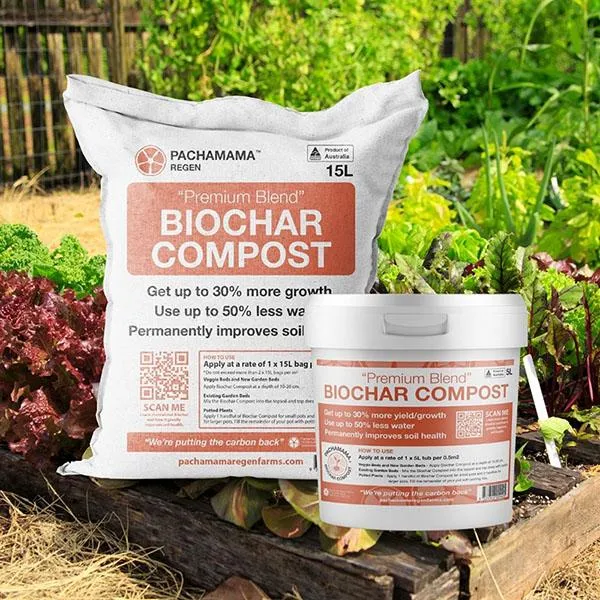
Compost is the most widely used sustainable amendment, and for good reason. It improves almost every soil type and feeds soil biology. Spread a layer of 3 to 5 cm over the bed and work it into the top 15 to 20 cm before planting. Repeat this each season for established beds, and apply it in autumn or early spring so it breaks down before the main growing period.
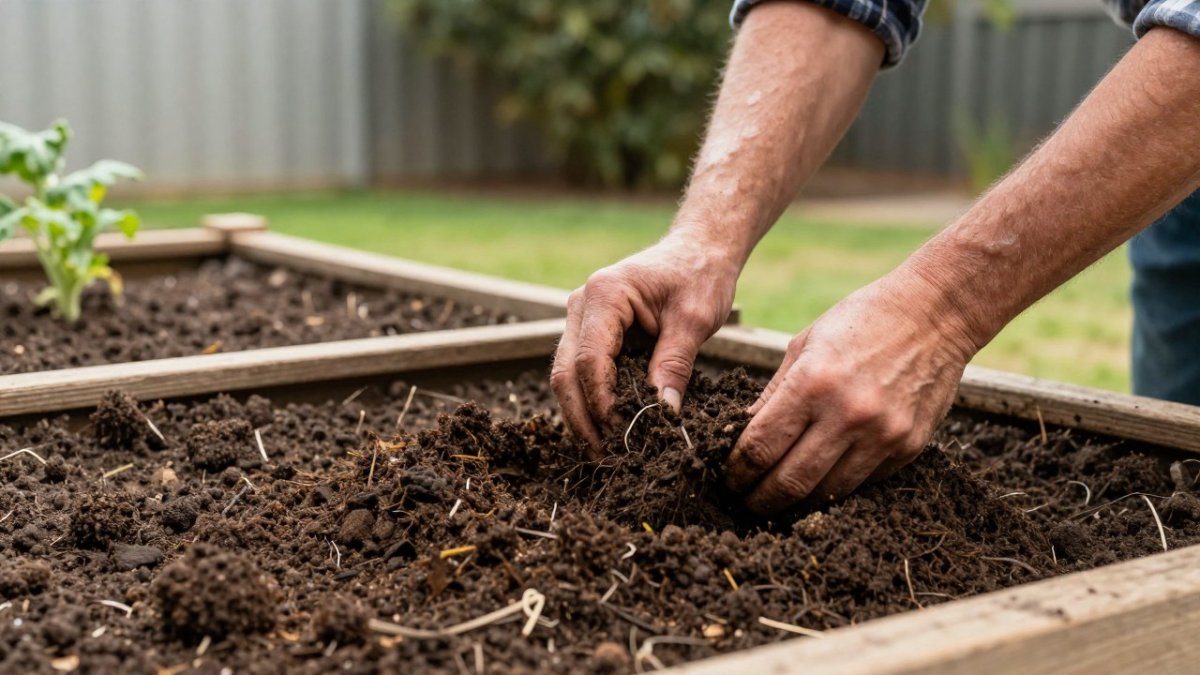
Sourcing matters. Home-made compost costs little beyond your time and gives you control over inputs. Bagged compost from garden centres varies in quality, so check the label for the origin of its materials. Ask your local council whether it offers subsidised green waste or compost bins, as many do.
Pricing for bulk purchases depends on quantity, delivery distance and supplier, so compare quotes per cubic metre rather than per bag.
Biochar for Gardening and Soil Amendments for Water Retention
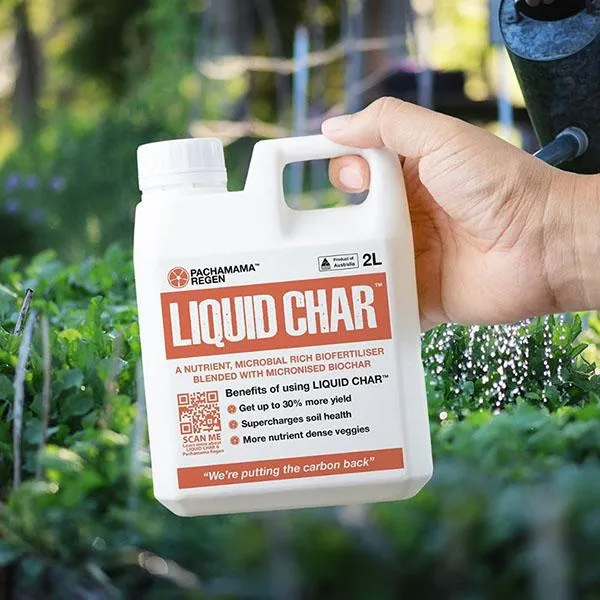
Biochar is charcoal produced from plant material heated with little or no oxygen. Its porous structure holds water and nutrients in the root zone, which helps sandy soils retain moisture between waterings. Alongside biochar’s water-retaining pores, AminoA can help gardeners think about how sustainable fertilizer choices replenish the nutrients those soils hold.
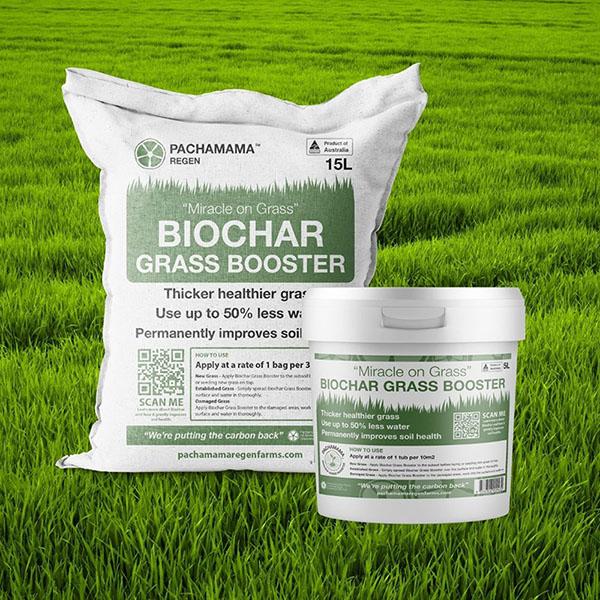
Biochar works best combined with compost rather than used alone. Mix it into the soil at a modest rate and let the compost and soil biology colonise its surface. A gardener on sandy or fast-draining soil may find that a combined biochar and compost layer reduces how often beds need watering. Results depend on your soil and climate, so trial it on one bed before treating the whole garden.
For more on telling whether your soil needs biochar, see how to tell if your garden soil needs biochar.
Organic Soil Amendments Compared: Manure, Plant Residues and Mulches
Each organic amendment behaves differently, so choose by what your soil needs and by what you can verify about its source.
Well-rotted manure adds nutrients and organic matter.
Plant residues such as straw, leaf litter and crop stubble build organic matter and protect soil from erosion.
Mulches including bark, wood chips and sawdust suppress weeds and slow evaporation. Use aged wood products; fresh sawdust can temporarily draw nitrogen from the soil.
Compost is the general-purpose choice, but quality varies more than any other material. Ask what went into it, how long it was matured and whether it was turned.
Biochar is a long-lived carbon material rather than a nutrient source.
Here is a summary of what each material does best and where it can go wrong:
| Material | Main benefit | Best used for | Things to watch |
|---|---|---|---|
| Compost | Feeds soil biology | All beds, every season | Quality varies by source; herbicide residues |
| Well-rotted manure | Nutrients and humus | Vegetable beds in autumn | Must be fully composted; pathogen risk |
| Straw and leaf litter | Structure and cover | Paths, beds, erosion control | Can tie up nitrogen; diseased material |
| Bark and wood chips | Weed suppression | Around shrubs and paths | Use aged material; keep clear of stems |
| Biochar | Water and nutrient retention | Sandy soils, combined with compost | Charge before use; do not overapply |
Safety and contaminants. Pathogens are the main risk with manure and with compost that has not matured.
Compatibility and combinations to avoid. Do not apply lime and elemental sulphur together or in the same season, because they neutralise each other.
Watch out: buying "composted" manure or mulch with no information about its origin can introduce herbicide residues.
Planning Your Next Soil Build Step by Step
Build your soil over one season rather than all at once.
- Test your soil. Record pH, texture and organic matter content.
- Choose one priority problem. Pick drainage, water retention or fertility, not all three.
- Select one or two additives that match the test results, using the table above.
- Source locally where possible, and ask suppliers about material origin.
- Apply in the right season. Autumn or early spring suits most organic additives.
- Trial on one bed first. Compare it with an untreated bed for a full season.
- Retest after twelve months and adjust.
We recommend keeping a simple log of what you added, when and how much. Over two or three seasons it becomes the most useful record of what your soil actually responds to.
Building healthier soil takes patience, but the right additives make the process far more predictable. Pachamama Regen combines biochar, compost and bio-fertilisers in products designed to restore soil carbon, biology and water balance. Explore our range at pachamamaregen.com.
Frequently Asked Questions
What are the best natural additives for garden soil?
The most useful natural additives are well-rotted compost, well-rotted manure, plant residues such as straw or leaf mulch, and, for some soils, biochar. Compost and manure build organic matter and soil biology, which improves structure over time. Biochar adds a stable carbon structure that can help soils hold water and nutrients. Lime or sulfur are used only when a soil test shows pH needs correcting, not as routine additions. Start with a soil test so you add what your soil actually lacks, and apply each additive at the rate suited to your bed size and soil type.
How much compost should I add to garden soil?
A common starting point for vegetable beds is a 2 to 5 cm layer of compost worked into the top 15 to 20 cm of soil before planting, with a top-dressing of 2 to 3 cm each season after that. Heavier clay soils and depleted beds can take more in the first year, while already rich soil needs less. Avoid applying very thick layers of unfinished material, which can tie up nitrogen temporarily. Re-test your soil after a season or two to see whether you are approaching a sensible balance for your crops.
Is biochar suitable for organic gardening?
Biochar can be suitable for organic gardening when it is produced from clean, untreated feedstock and used in a form that has been charged or blended with compost. Used alone, raw biochar is slow to become biologically active and can temporarily affect nutrient availability. Check whether a product lists its feedstock, production temperature and any certification, and ask providers for independent testing. Apply it in modest amounts, usually a few percent by volume, and mix it into the root zone rather than leaving it on the surface.
Can organic soil additives improve water retention?
Yes, but the effect depends on soil type. Organic matter from compost, mulch and biochar improves the crumb structure of sandy soils so they hold more water, and helps clay soils drain and aerate better. Gains usually build over several seasons rather than appearing after one application. Mulch on the surface also reduces evaporation, which often delivers the quickest visible difference in a small backyard garden.